
Automate CBAM Reporting & Stay EU Compliant
Built for Indian Manufacturers & Exporters supplying to the EU
Early Movers
Our Customers








































What is CBAM?
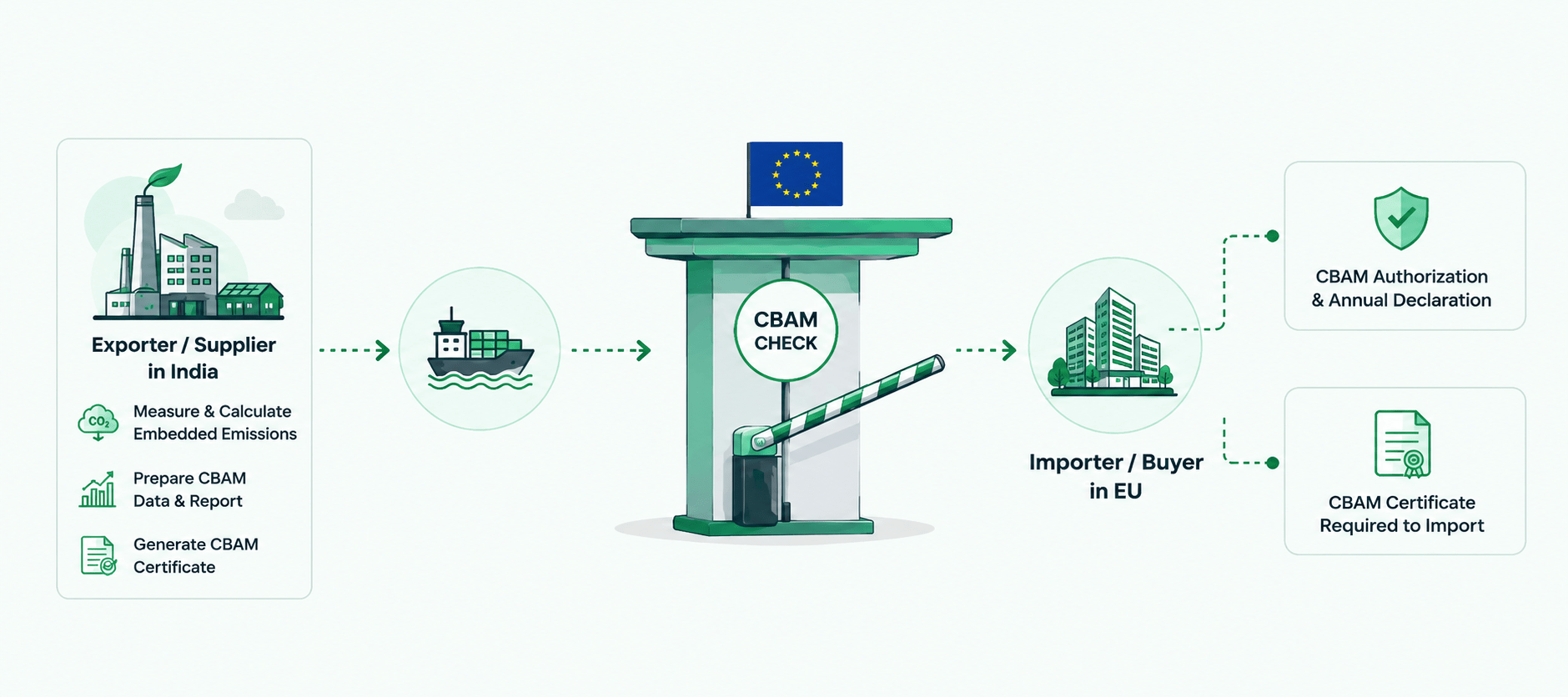
The Carbon Border Adjustment Mechanism (CBAM) is a European Union regulation introduced to reduce carbon leakage and promote fair global competition by placing a carbon price on imported goods based on their embedded greenhouse gas emissions.
CBAM requires exporters and importers to:
- Monitor and calculate product-level emissions
- Maintain transparent emissions data
- Submit verified carbon reports
- Align with EU sustainability and reporting standards
- Prepare for carbon pricing obligations
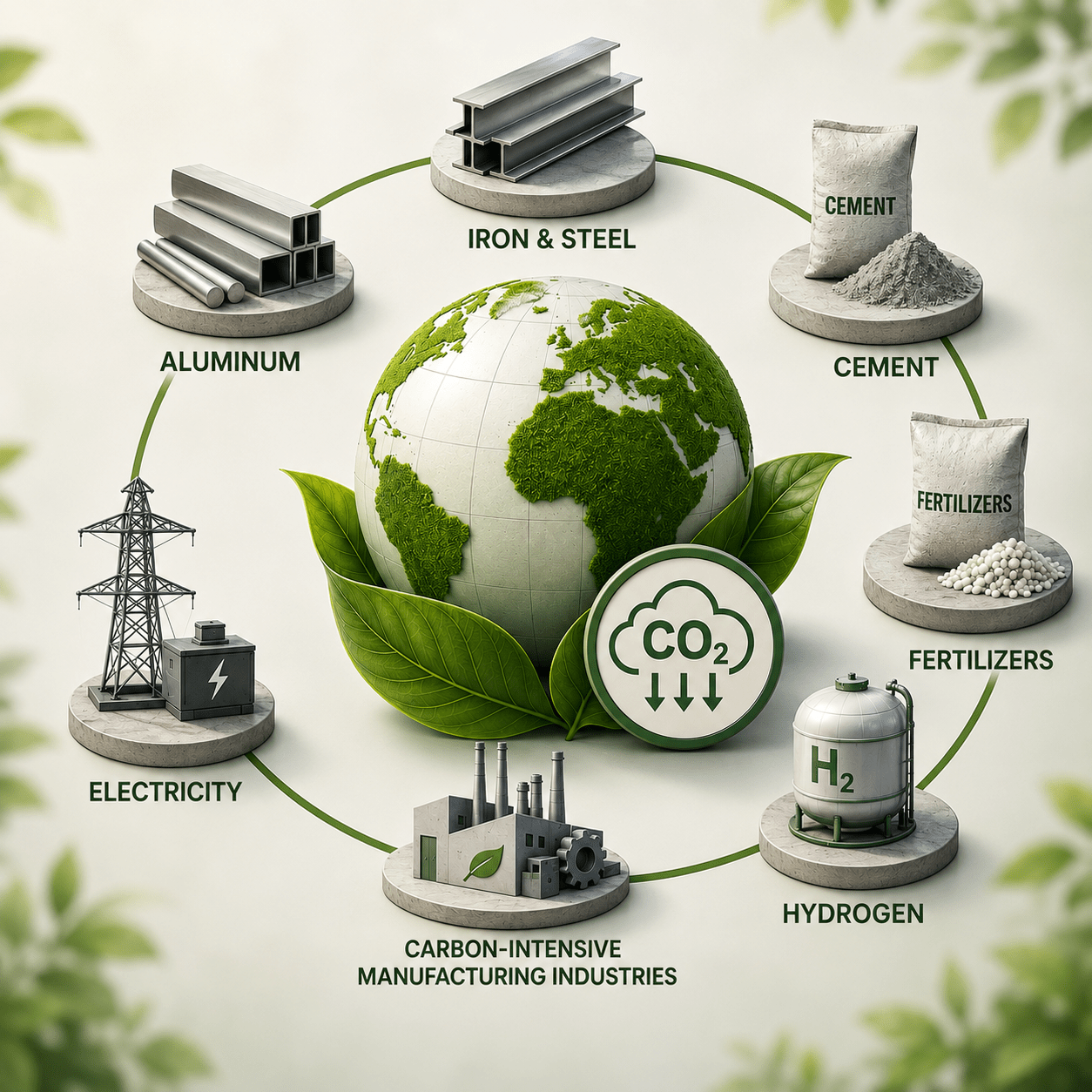
Industries Impacted by CBAM
CBAM currently impacts sectors including:
- Iron & Steel
- Aluminum
- Cement
- Fertilizers
- Electricity
- Hydrogen
- Carbon-intensive manufacturing industries
Businesses operating within global supply chains must proactively prepare for evolving carbon compliance requirements.
Unleash the power of Green
How Terrablu Helps Businesses with CBAM
1. CBAM Readiness Assessment
We evaluate your existing operations, supply chain emissions, reporting capabilities, and compliance gaps to determine your organization’s CBAM preparedness.
2. Carbon Accounting Measurement
Using our advanced carbon intelligence platform, GreenWise, businesses can:
- Measure Scope 1 and Scope 2 emissions
- Track product-level carbon footprints
- Analyze operational emission sources
- Accurate carbon reports aligned with global standards
3. CBAM Reporting
Terrablu supports enterprises in preparing compliant emissions documentation and reporting workflows required under CBAM regulations.
Our experts help simplify:
- Emissions & Supplier data collection
- Embedded carbon calculations
- Compliance documentation
- Sustainability reporting
4. Sustainability Strategy
CBAM compliance is not just about reporting — it’s about reducing emissions strategically.
Terrablu helps businesses:
- Identify high-emission processes
- Improve operational efficiency
- Build long-term decarbonization roadmaps
- Align ESG and Net Zero goals with international regulations
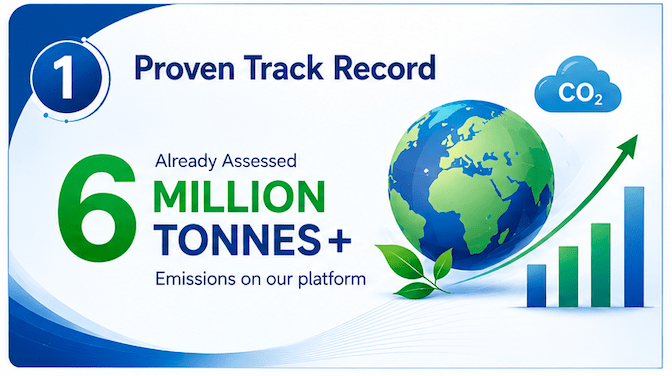
Proven Track Record:
- Already Assessed 6 Million Tonnes + Emissions on our platform
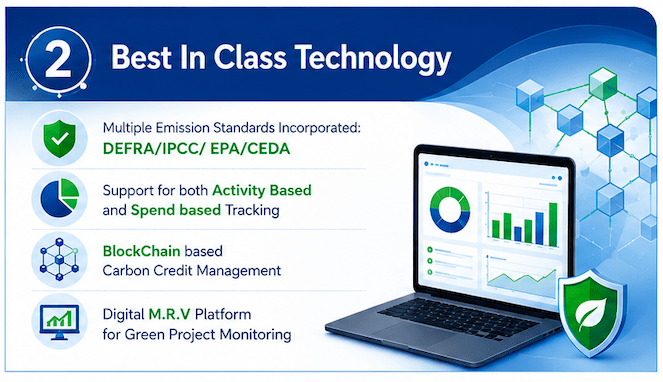
Best In Class Technology
- Multiple Emission Standards Incorporated: DEFRA/IPCC/ EPA/CEDA
- Support for both Activity Based and Spend based Tracking
- BlockChain based Carbon Credit Management
- Digital M.R.V Platform for Green Project Monitoring
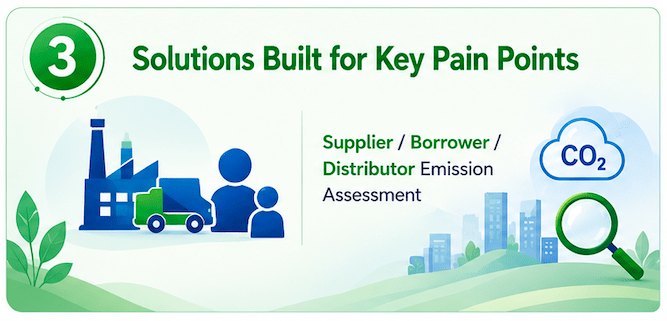
Solutions Built for Key Pain Points
- Supplier / Borrower / Distributor Emission Assessment
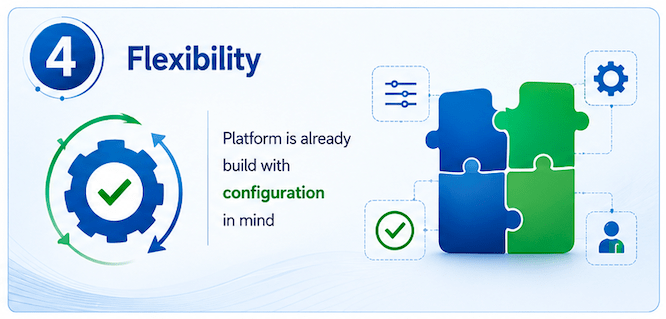
Flexibility
- Platform is already build with cnfiguration in mind
Build a Future-Ready Business with Terrablu
CBAM is transforming the future of international trade and sustainability compliance. Organizations that act early can strengthen their market position, improve ESG performance, and unlock long-term competitive advantages.
Terrablu empowers businesses to transition confidently toward a low-carbon future with intelligent carbon solutions designed for compliance, transparency, and sustainable growth.
Connect with Terrablu today to begin your CBAM readiness journey.
CBAM Frequently Asked Questions.
What is CBAM reporting and why is it important for Indian exporters?
Designed to align the carbon costs of imports with domestic goods, the European Union’s Carbon Border Adjustment Mechanism (CBAM) places a new spotlight on transparency. For Indian businesses exporting to the EU, precise CBAM reporting is no longer optional—it is a vital requirement to secure market entry, prevent costly penalties, and showcase a verifiable commitment to sustainability.
What are the steps involved in CBAM reporting?
Navigating the CBAM compliance journey requires a structured approach. The standard reporting workflow involves:
Scope Definition: Determining which exported goods fall under the EU’s CBAM regulations.
Data Gathering: Aggregating detailed emissions data across manufacturing processes and supply chains.
Quantification: Evaluating embedded carbon footprints using EU-sanctioned calculation methods.
Documentation: Compiling compliant quarterly reports that meet all European standards.
Filing: Lodging the finalized reports through official EU portals or certified representatives.
How does CBAM compliance affect international trade?
The business case for CBAM compliance boils down to market survival and competitive advantage. Ignoring these mandates leaves exporters exposed to severe regulatory fines, customs bottlenecks, and locked European markets. On the flip side, seamless reporting turns a regulatory hurdle into a commercial asset. It builds deep trust with EU clients, protects brand equity, and positions your company at the forefront of the green transition.
Is CBAM reporting mandatory for Indian exporters trading with EU countries?
If you export carbon-heavy commodities like iron, steel, aluminum, cement, fertilizers, or hydrogen to the European Union, CBAM is no longer just a future concept—it is a live regulatory cost. The initial transitional phase of quarterly data-sharing has wrapped up. The definitive phase is officially active, introducing mandatory third-party verification and tying actual financial liabilities to the carbon footprint of your 2026 shipments.
CBAM is applicable to which sectors or industries?
CBAM currently impacts carbon-intensive sectors including:
- Iron & Steel
- Aluminum
- Cement
- Fertilizers
- Electricity
- Hydrogen
- Carbon-intensive manufacturing industries
Businesses involved in global supply chains within these sectors should proactively prepare for CBAM reporting and compliance requirements.